Sofia Lorenz · 23 September 2026
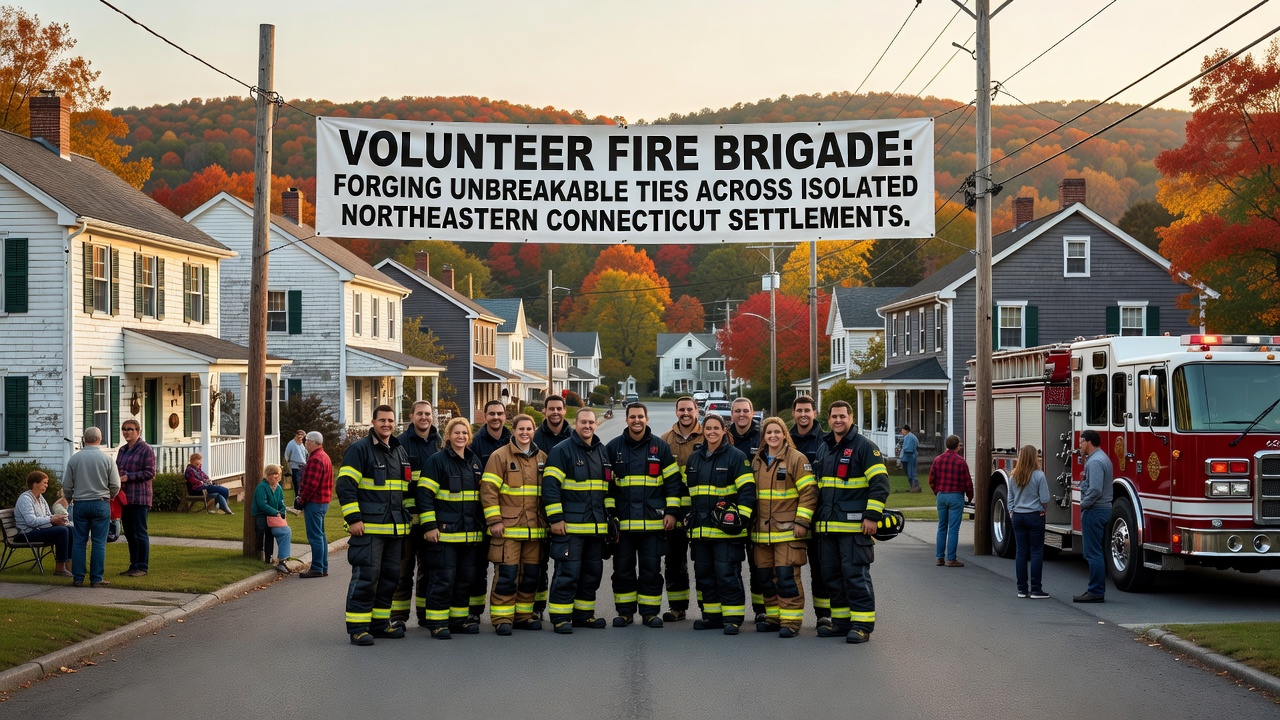
How Volunteer Fire Brigades Forge Unbreakable Ties Across Isolated Northeastern Connecticut Settlements
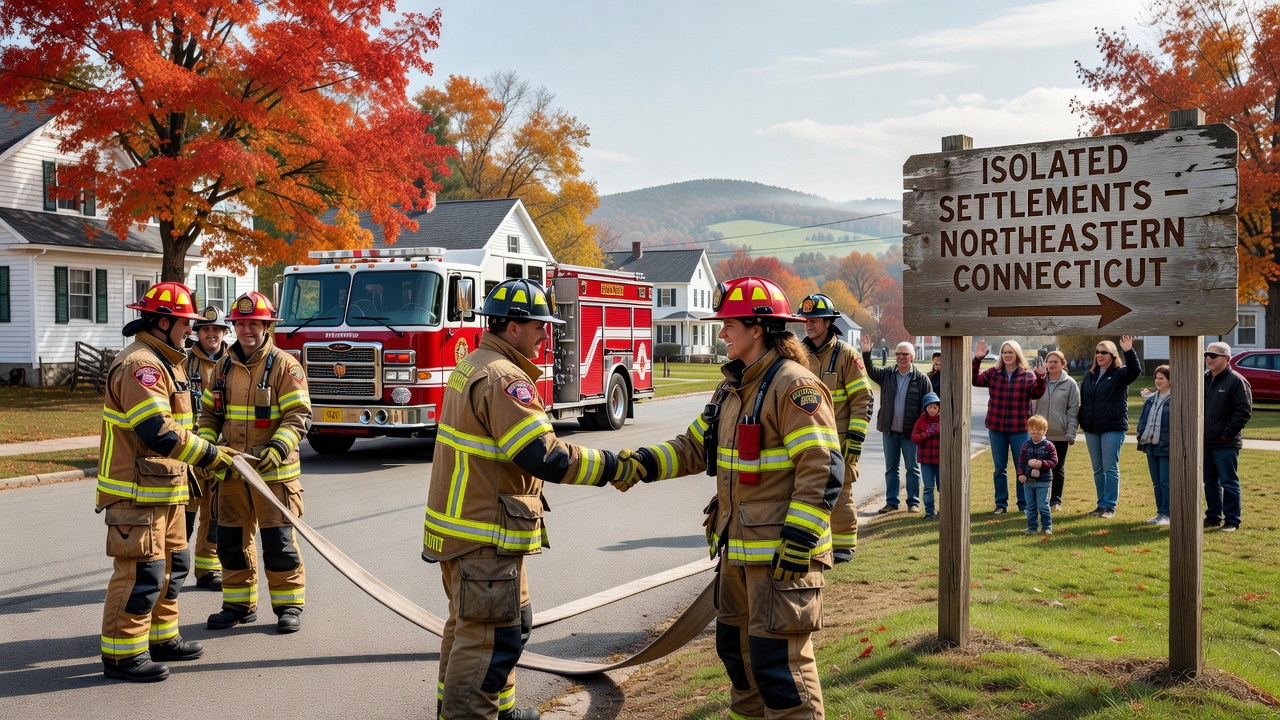
Volunteer fire brigades in northeastern Connecticut operate across scattered hamlets where populations remain low and distances between towns stretch for miles, yet these groups maintain coordinated responses that link communities together through shared equipment, personnel exchanges, and regular joint operations. Towns such as Eastford, Woodstock, and Pomfret rely on these volunteer units because full-time departments sit hours away, and data from the Connecticut Department of Emergency Services and Public Protection shows that mutual aid calls accounted for over 40 percent of incidents handled in Windham County during the past five years.
Mutual aid agreements form the backbone of these connections, allowing one brigade to request support from neighbors when a structure fire exceeds local capacity or when a wildland blaze spreads across property lines. These pacts, updated annually, specify response protocols that include apparatus sharing and command structure handoffs, which reduce duplication during emergencies while building familiarity among firefighters who train together several times each quarter.
Historical Development of Regional Coordination
Early volunteer companies in the region formed independently in the 19th century, yet by the mid-20th century isolated settlements began formalizing cross-town arrangements after a series of large fires demonstrated the limits of single-town resources. Records maintained by the Connecticut Fire Chiefs Association indicate that the first countywide mutual aid compact took effect in 1958, and subsequent revisions incorporated radio interoperability standards that now permit seamless communication between brigades separated by 20 miles or more.
Population density in these northeastern Connecticut towns averages fewer than 100 residents per square mile in many areas, which means volunteer recruitment draws from the same small pools of residents who often hold full-time jobs elsewhere. Joint recruitment drives and shared training calendars help offset shortages, with one recent county report noting that combined drills increased certified personnel availability by 18 percent across participating departments.
Training Exercises and Community Events
Regular training sessions bring volunteers from multiple towns to a single site where they practice vehicle extrication, high-angle rescue, and rapid water supply setups using equipment pooled from several departments. These exercises occur monthly and rotate locations so that firefighters become acquainted with varied terrain, from wooded hillsides to narrow village streets lined with historic buildings.
Community events further strengthen these bonds, including annual musters that feature competitions in hose handling and ladder raises while raising funds for new apparatus. In September 2026, brigades from seven northeastern Connecticut towns plan a coordinated open house series that will demonstrate live burns and equipment demonstrations to the public, an effort organizers expect will draw participants from as far as the Massachusetts border.
Challenges of Isolation and Resource Sharing
Geographic isolation creates logistical hurdles such as longer travel times for backup units and limited access to specialized tools, yet brigades address these issues through equipment-sharing pools and grant-funded purchases that benefit entire regions rather than single towns. A 2024 study by the U.S. Fire Administration found that departments participating in formal mutual aid networks experienced 25 percent faster average response times on large incidents compared with standalone operations.
Weather events, including nor'easters and summer droughts, test these networks when roads become impassable or water sources dry up, prompting pre-positioned caches of pumps and hoses at strategic crossroads. Observers note that such preparations rely on personal relationships cultivated over years of shared service, where a captain from one town can call a counterpart in another without going through formal channels first.
Future Outlook and Sustained Partnerships
Demographic shifts, including younger residents moving away for work, challenge volunteer retention, but regional partnerships provide pathways for new members through joint academies that award certifications recognized across state lines. Funding from federal assistance programs supports these efforts, and data released by the National Volunteer Fire Council shows that Connecticut counties with active inter-town agreements retain volunteers at rates 12 percent higher than those without such structures.
Conclusion
Volunteer fire brigades across northeastern Connecticut continue to link isolated settlements by combining formal agreements with day-to-day cooperation that spans training, equipment, and emergency response. These practices, refined over decades and scheduled to expand with events in September 2026, demonstrate how small departments sustain operational effectiveness while maintaining the personal connections that underpin regional resilience.