Logan Lang · 21 October 2026
The Overlooked Role of Seasonal Maple Sugaring Cooperatives in Shaping Community Networks Across Windham County's Wooded Backroads
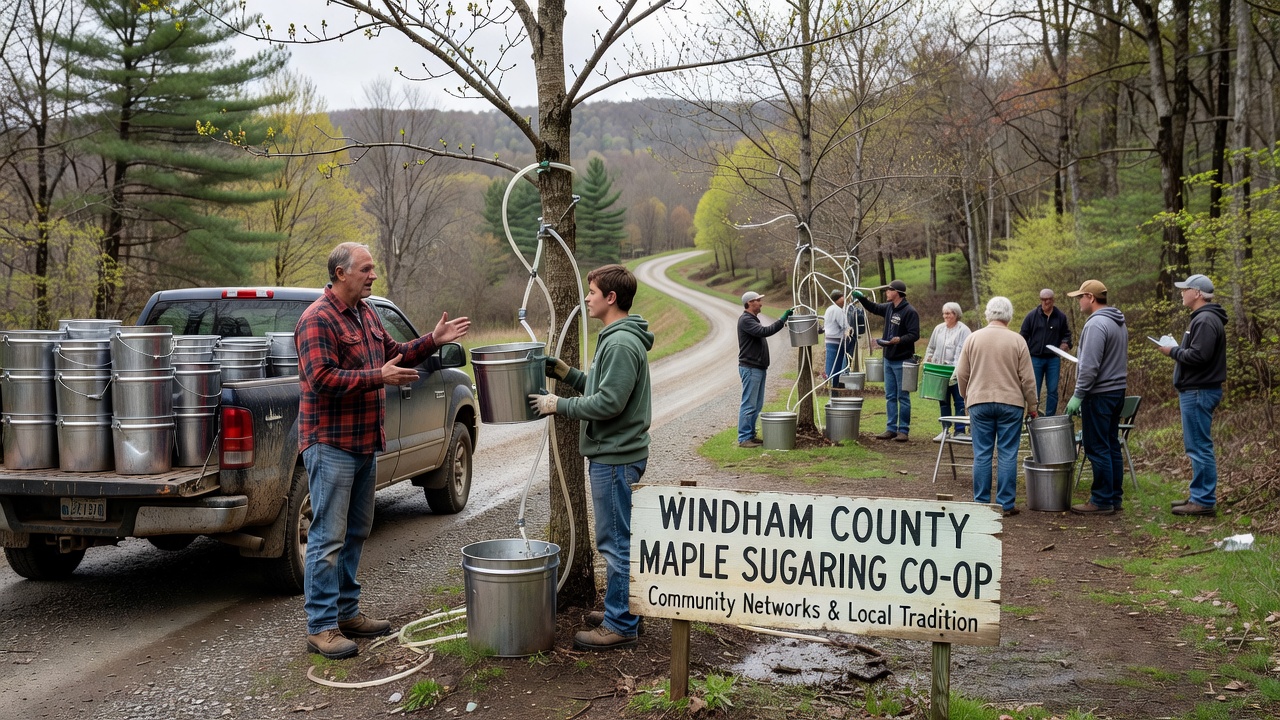
Windham County in northeastern Connecticut features extensive wooded backroads where seasonal maple sugaring cooperatives operate each year, and these groups coordinate labor and equipment sharing among local producers during the late winter and early spring sap flow period. Data from the USDA shows that maple production in the region relies on such networks because individual operations often lack the resources for efficient collection and boiling on their own. Cooperatives typically form around shared sugarhouses and collection routes that wind through rural properties, allowing participants to divide tasks like tapping trees, hauling sap, and maintaining evaporators.
Historical Development of Local Cooperatives
Records indicate that maple sugaring in Windham County dates back to colonial times, yet organized cooperatives gained prominence in the mid-20th century as small farms consolidated efforts to meet rising demand for syrup. One cooperative based near the town of Woodstock established a rotating schedule for equipment use that reduced costs for members while preserving access to private woodlots along narrow roads. Observers note that these arrangements created informal communication channels among families who lived miles apart, and participants exchanged knowledge about tree health and weather patterns that affected yields.
By the 1980s several additional groups had formed in towns such as Pomfret and Chaplin, each adapting to the specific terrain of their backroads. Studies from the University of Connecticut Extension reveal that membership often included both full-time farmers and part-time residents, which broadened the social connections beyond traditional agricultural circles. These cooperatives scheduled regular meetings at community halls during the off-season to plan for the next harvest, and such gatherings reinforced ties that extended into other local activities like road maintenance and emergency response coordination.
Operational Practices and Network Formation
Each sugaring season begins when daytime temperatures rise above freezing while nights remain cold, a pattern that drives sap movement in sugar maples across the county's forests. Cooperatives assign routes along the wooded backroads so that collection trucks or horses can service multiple properties efficiently, and members take turns monitoring the lines for leaks or wildlife interference. This division of labor creates daily interactions that build trust and familiarity among people who might otherwise remain isolated during the colder months.
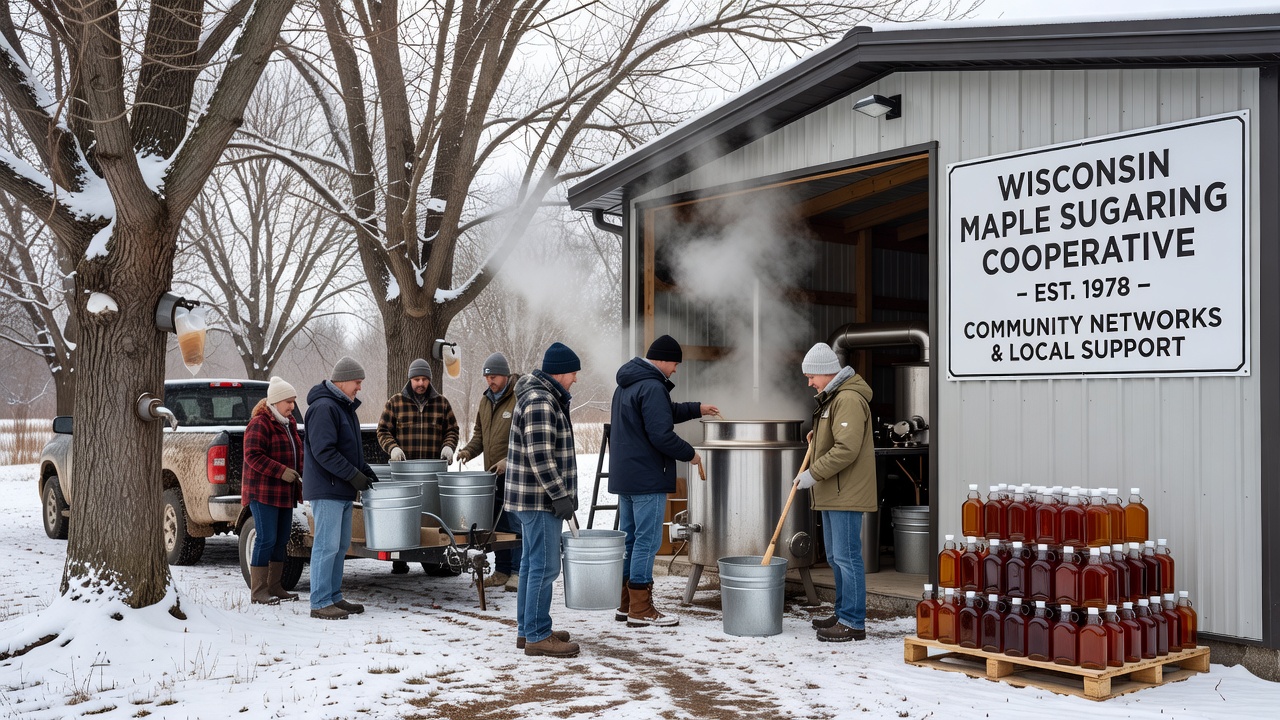
Equipment sharing stands out as a core function because evaporators and storage tanks represent significant investments that few single households maintain year-round. According to USDA agricultural census figures, shared facilities in Connecticut operations contribute to higher overall output per tap compared with fully independent setups. Participants rotate cleaning and repair duties, which leads to skill transfer across generations and between longtime residents and newer arrivals in the area.
Economic and Social Connections in 2026
As of October 2026, several Windham County cooperatives continue to prepare for upcoming seasons by pooling resources for bulk purchases of supplies such as spiles and tubing, a practice that stabilizes expenses amid fluctuating market prices. These preparations often coincide with fall community events where members review production data and adjust collection maps for the following year. The networks extend beyond sugaring itself because participants frequently collaborate on related projects like forest management plans and trail upkeep that benefit the broader wooded landscape.
Local records show that cooperative members have formed mutual aid agreements for equipment transport during heavy snow years, and these pacts sometimes involve neighboring towns outside the county line. Researchers at institutions tracking rural economies note that such relationships help sustain small-scale production even as larger commercial operations dominate other agricultural sectors. The backroads themselves become conduits for information exchange, with producers stopping at one another's properties to share observations about tree growth or pest issues encountered during the season.
Challenges and Adaptations
Weather variability presents ongoing challenges because shortened sap runs can reduce yields and strain cooperative schedules. Groups respond by maintaining flexible membership structures that allow temporary participants to join for a single season without long-term commitments. Data compiled by state agricultural agencies indicates that these adaptations have helped maintain steady participation levels despite changing climate patterns observed in recent decades.
Access to the narrow wooded roads remains a logistical factor, and cooperatives coordinate with local highway departments to ensure safe passage for collection vehicles during thaw periods. This collaboration strengthens ties between agricultural producers and municipal officials, creating channels for advocacy on infrastructure needs that affect multiple rural communities. One cooperative near Scotland has documented how shared mapping of collection routes improved response times for other emergencies unrelated to sugaring, illustrating the spillover effects of these seasonal networks.
Conclusion
Seasonal maple sugaring cooperatives in Windham County continue to operate through coordinated efforts that link producers across the county's wooded backroads, and available records demonstrate their contribution to both production efficiency and social connectivity. These groups rely on established patterns of equipment sharing and route planning that have persisted for decades, supported by data from sources including the USDA and university extensions. The resulting networks facilitate information exchange and resource distribution that extend into other aspects of rural life, while preparations noted in October 2026 reflect ongoing adaptations to maintain these arrangements into future seasons.