Sofia Lorenz · 7 October 2026
Town Meeting Traditions That Sustain Civic Engagement in Rural New England Areas
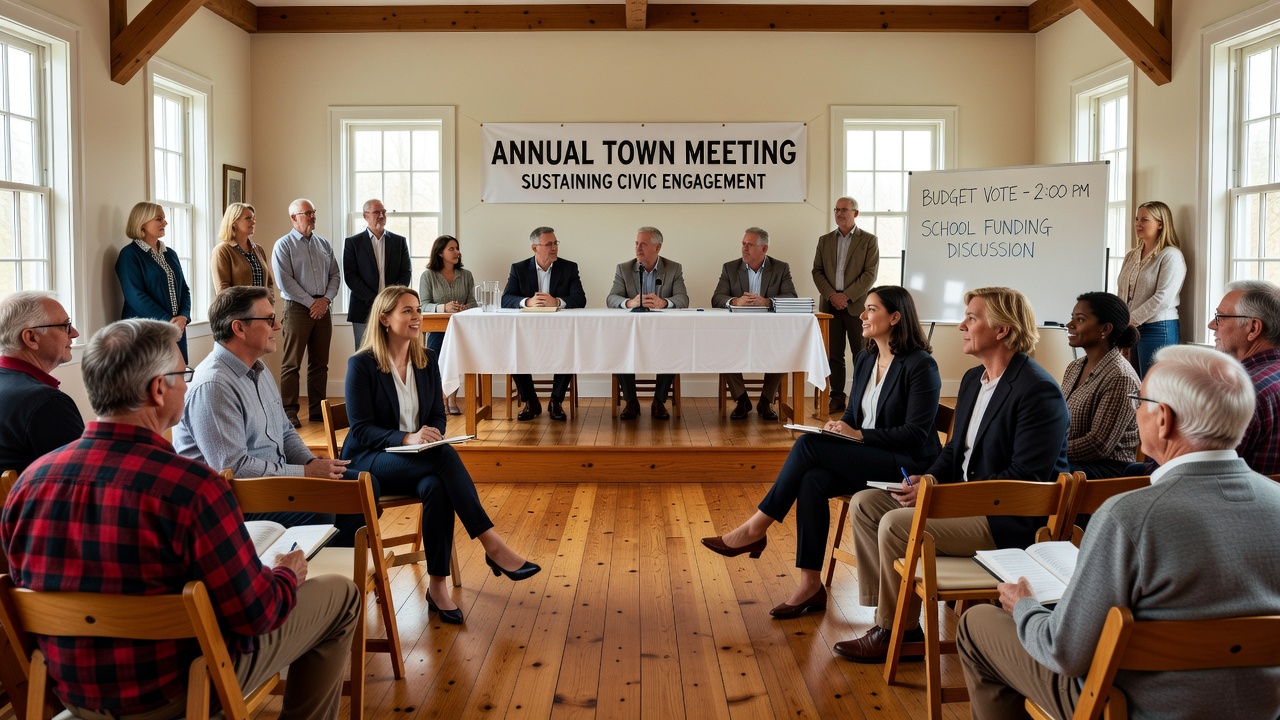
Town meetings in rural New England operate as direct democratic forums where eligible voters assemble to decide on local budgets, bylaws, and elected positions, a practice rooted in colonial charters that persists across towns in Vermont, New Hampshire, Maine, and Massachusetts. These gatherings typically occur annually in spring months, though some communities schedule follow-up sessions in October to address seasonal issues such as road maintenance before winter, with observers noting increased attendance in October 2026 due to upcoming infrastructure proposals in several hill towns.
Historical Foundations and Procedural Elements
Colonial settlers established open town meetings in the seventeenth century as mechanisms for collective decision-making, and records from the Massachusetts Bay Colony show how these assemblies evolved into structured events governed by state statutes that define voter eligibility, warrant preparation, and moderator authority. Participants review articles listed on the warrant in advance, then debate and vote on measures ranging from school funding to zoning adjustments, while parliamentary rules maintain order during discussions that can extend several hours.
Key Roles and Participation Patterns
A town moderator oversees proceedings and enforces time limits on speakers, whereas selectboard members present recommendations and field questions from the floor. Data compiled by state agencies indicate that turnout often exceeds fifty percent of registered voters in towns under two thousand residents, compared with lower rates in larger municipalities, and researchers attribute sustained involvement to the visibility of outcomes that directly affect property taxes and services.
Budget deliberations form the core of many meetings, with finance committees providing detailed breakdowns of expenditures that voters approve line by line. In practice, amendments arise spontaneously when residents propose reallocations, and voice votes or paper ballots resolve divisions, preserving transparency that written records later archive for public review.
Adaptations Across Rural Communities
Smaller settlements maintain the open format where every voter may speak, yet some larger rural towns adopt representative town meetings that elect delegates to act on behalf of constituents. Vermont statutes permit either model, and figures from the Vermont Secretary of State Vermont Secretary of State records show that more than two hundred municipalities continue using open sessions despite population shifts. October 2026 meetings in several Connecticut River valley towns will consider climate resilience measures, including culvert replacements funded through state grants.
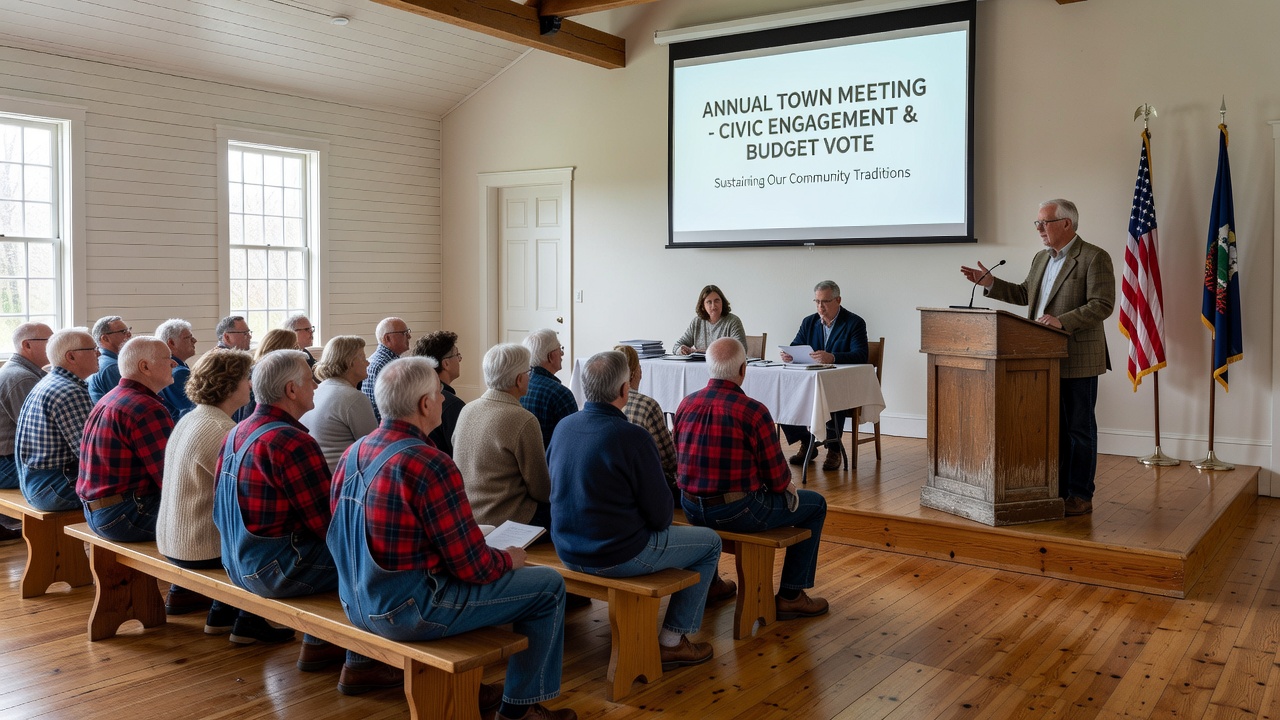
Special meetings supplement annual sessions when urgent matters arise, such as emergency appropriations after storms, and state law requires public notice periods that allow widespread dissemination through local newspapers and online postings. Those who have tracked attendance patterns report that these called gatherings draw focused crowds motivated by specific proposals, reinforcing the tradition of informed participation rather than routine obligation.
Connections to Broader Civic Networks
Regional associations compile comparative data on meeting outcomes, and reports from the University of Maine University of Maine Cooperative Extension highlight how shared practices across state lines support knowledge exchange among clerks and moderators. Training workshops cover legal updates and facilitation techniques, ensuring consistency while allowing local customs such as opening prayers or flag ceremonies to persist in individual communities.
Archival documents preserved in town halls illustrate continuity from eighteenth-century votes on militia funding to contemporary allocations for broadband expansion, demonstrating how the format accommodates evolving priorities without altering core accessibility. Election cycles intersect with these meetings when officers stand for re-election or new candidates file petitions, creating opportunities for direct accountability that residents exercise through questions and challenges during the session.
Conclusion
Statutory frameworks and customary procedures together maintain town meetings as functional institutions for local governance in rural New England, where participation rates and documented outcomes reflect ongoing citizen involvement in decision processes that shape community resources and regulations. Continued adherence to notice requirements and open debate sustains the format's relevance amid demographic and technological changes.